
Quick Answer
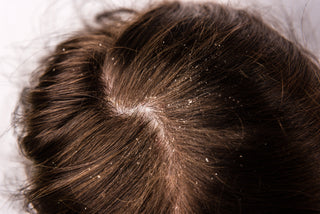
A dry scalp occurs when the scalp lacks sufficient moisture, which can lead to dryness, itching and small flakes of skin. However, these symptoms are not always caused by dry skin alone. Dandruff, seborrhoeic dermatitis, scalp psoriasis and eczema can all produce similar symptoms, even though they have different underlying causes.
Understanding what may be causing your symptoms is important because different scalp conditions are managed in different ways. If symptoms are persistent, severe or difficult to identify, a healthcare professional can help determine the underlying cause.

Introduction
An itchy, flaky scalp is a common reason people search for information online. Many assume they simply have a dry scalp and begin looking for moisturising shampoos or home remedies.
In reality, things are often more complicated.
Dryness, flaking and itching are symptoms rather than a diagnosis. While genuinely dry skin can affect the scalp, similar symptoms are also seen in dandruff, seborrhoeic dermatitis, scalp psoriasis and eczema. Because these conditions can look alike, it is easy to mistake one for another.
Understanding why these symptoms occur can help you better understand what may be affecting your scalp and why different treatment approaches are sometimes used.
What Is a Dry Scalp?
A dry scalp describes a scalp that has lost moisture or natural oils, causing the skin to become dry, irritated or itchy.
The scalp, like the rest of the skin, relies on a healthy skin barrier to retain moisture and protect against irritation. When this barrier becomes disrupted, the scalp may feel tight or uncomfortable and small flakes of dry skin may appear.
Unlike chronic inflammatory scalp conditions, a genuinely dry scalp is often linked to environmental or lifestyle factors rather than long-term disease.
What Symptoms Can a Dry Scalp Cause?
Common symptoms include:
- Dryness
- Mild itching
- Small white flakes
- Tightness after washing
- Mild irritation
These symptoms are often relatively mild.
However, dryness alone does not explain every itchy or flaky scalp. More persistent symptoms, noticeable redness, thick scale or recurring flare-ups may suggest another underlying scalp condition.
Why Dry Scalp Is Often Confused with Other Conditions
One of the biggest misconceptions about scalp health is that all flakes mean the scalp is dry.
In fact, flaking is a symptom shared by several different conditions. The Scalp Health Hub terminology guide notes that scale can occur in psoriasis, seborrhoeic dermatitis, dandruff and eczema, as well as other scalp disorders.
Because the symptoms overlap, many people spend months changing shampoos without understanding why the problem keeps returning.
Understanding the differences between these conditions can make it easier to decide when professional advice may be helpful.
Common Causes of Dryness and Flaking
Environmental Factors
Cold weather, low humidity and indoor heating can all reduce moisture from the skin.
Some people notice their scalp feels drier during winter months when environmental humidity is lower.
Frequent Hair Washing
Washing the hair very frequently or using products that remove too much natural oil may leave the scalp feeling dry.
This does not necessarily cause a long-term scalp condition, but it can contribute to temporary dryness and irritation.
Hair Products
Some shampoos, styling products or hair treatments may irritate sensitive skin.
For some people this can temporarily affect the scalp barrier, leading to itching or dryness.
Age
Natural oil production may change with age, making some people's skin feel drier than it did previously.
Underlying Scalp Conditions
Perhaps the most important point is that what appears to be dry skin may actually reflect another scalp condition.
These include:
- dandruff
- seborrhoeic dermatitis
- scalp psoriasis
- eczema
Each has different underlying causes and may require different management approaches.
Dry Scalp or Something Else?
Dry Scalp vs Dandruff
These terms are often used interchangeably, but they are not the same.

Dandruff is considered a mild form of seborrhoeic dermatitis and is characterised by visible white or yellow flakes with minimal inflammation. It is commonly associated with an inflammatory response involving a naturally occurring yeast called Malassezia.
A dry scalp, on the other hand, results from reduced moisture rather than yeast-related inflammation.
|
Dry Scalp |
Dandruff |
|
Reduced moisture |
Mild inflammatory condition |
|
Small dry flakes |
White or yellow flakes |
|
Usually dry skin |
Often associated with Malassezia |
|
Little redness |
Mild itching may occur |
Dry Scalp vs Seborrhoeic Dermatitis
Seborrhoeic dermatitis is a chronic inflammatory skin condition affecting areas rich in oil-producing glands, including the scalp.
Typical symptoms include:
- greasy scale
- redness
- irritation
- itching
- persistent flaking
Unlike a dry scalp, seborrhoeic dermatitis commonly involves inflammation and may recur over time.
Dry Scalp vs Scalp Psoriasis
Scalp psoriasis is a chronic inflammatory skin condition caused by immune-system activity that speeds up skin-cell turnover.
Symptoms commonly include:
- thick scale
- clearly defined plaques
- redness
- itching
- soreness
Some people also experience temporary hair shedding associated with inflammation or scratching.
Although both conditions can produce flakes, scalp psoriasis usually causes thicker scale and more obvious inflammation than a simple dry scalp.
Dry Scalp vs Eczema
Eczema affecting the scalp can also produce dryness and itching.
The appearance and severity vary between individuals, but eczema often involves inflammation alongside disruption of the skin barrier.
Professional assessment may be needed when symptoms overlap with other scalp conditions.
Why Identifying the Underlying Cause Matters
Because several conditions share similar symptoms, treating every flaky scalp as "dry skin" may not address the underlying problem.
For example:
- treatments commonly used for dandruff are intended to target yeast-related conditions
- psoriasis management often focuses on reducing inflammation and managing scale
- eczema management may focus on reducing irritation and restoring the skin barrier
Understanding which condition is responsible helps explain why different treatment pathways exist.
How Are Different Scalp Conditions Managed?
Management depends on the underlying diagnosis and symptom severity.
A healthcare professional may recommend different approaches depending on whether symptoms are caused by simple dryness, dandruff, seborrhoeic dermatitis, psoriasis or eczema.
Treatment options may include:
- moisturising scalp care
- medicated shampoos
- antifungal shampoos where appropriate
- coal tar shampoos
- prescription topical treatments
- other specialist treatments
The aim is to manage the underlying condition rather than simply reduce visible flakes.
Coal tar has been used in dermatology for many decades and is commonly used to help manage scaling, itching, inflammation and excessive skin-cell turnover associated with certain inflammatory scalp conditions. Coal tar shampoos may form part of the management of scalp psoriasis, seborrhoeic dermatitis and dandruff, depending on individual circumstances. Polytar is one example of a licensed coal tar shampoo used within these recognised treatment pathways. It should be viewed as one treatment option among several, rather than a universal solution.

When Should You Seek Medical Advice?
Consider seeking professional advice if:
- symptoms persist despite treatment
- the diagnosis is unclear
- redness or soreness becomes significant
- thick scale develops
- symptoms repeatedly return
- itching interferes with daily life
- symptoms spread beyond the scalp
A healthcare professional can help determine the underlying cause and discuss appropriate management options.
Myth vs Fact
|
Myth |
Fact |
|
All scalp flakes are caused by dry skin. |
Flaking can also occur in dandruff, seborrhoeic dermatitis, psoriasis and eczema. |
|
Dry scalp and dandruff are the same thing. |
They have different underlying causes, even though symptoms may overlap. |
|
Thick flakes always mean an infection. |
Many causes of flaking are inflammatory rather than infectious. |
|
Changing shampoo repeatedly will always solve the problem. |
Persistent symptoms may indicate an underlying scalp condition that requires professional assessment. |
Frequently Asked Questions
Can dry scalp cause flakes?
Yes. A genuinely dry scalp may produce small flakes of dry skin. However, flaking can also occur in several inflammatory scalp conditions.
Why is my scalp itchy but not oily?
Dry skin is one possible explanation, but itching may also occur in dandruff, seborrhoeic dermatitis, eczema and scalp psoriasis.
How do I know whether I have dandruff or a dry scalp?
Both can cause flaking, but dandruff is generally associated with an inflammatory response involving Malassezia, whereas a dry scalp is primarily caused by reduced moisture. If symptoms persist or are difficult to distinguish, professional assessment may help.
Can scalp psoriasis look like a dry scalp?
Yes. Many people initially mistake scalp psoriasis for a dry scalp because both can produce flakes. Psoriasis typically also causes thicker scale, inflammation and well-defined plaques.
When should I see a healthcare professional?
If symptoms are persistent, worsening, particularly uncomfortable or difficult to identify, professional assessment can help establish the underlying cause.
Key Takeaways
- A dry scalp describes a lack of moisture but is not the only cause of itching or flaking.
- Dryness, dandruff, seborrhoeic dermatitis, scalp psoriasis and eczema can produce similar symptoms.
- Understanding the underlying cause is important because different scalp conditions are managed in different ways.
- Persistent, recurring or severe symptoms may warrant professional assessment.
- Coal tar shampoos are one recognised management option for certain inflammatory scaling scalp conditions but are only one part of broader treatment pathways.