

Introduction
For many people, scalp psoriasis begins with what appears to be a simple scalp problem. There may be flakes on clothing, persistent itching, patches of scale that return soon after washing, or irritation that never seems fully resolved.
Because these symptoms overlap with dandruff and other scalp conditions, many people spend months or even years trying different shampoos before realising they may be dealing with something more complex.
Another source of frustration is unpredictability. Symptoms may improve for a period and then return unexpectedly. A treatment that appeared helpful previously may seem less effective during a flare-up. Some people become concerned about visible flakes at work or in social situations, while others worry about scratching, soreness or temporary hair shedding.
Understanding why scalp psoriasis behaves this way can make it easier to approach management realistically and recognise where different treatment options fit within a longer-term plan.
Quick Answer
Scalp psoriasis is a chronic inflammatory skin condition in which the immune system causes skin cells to reproduce more rapidly than normal, leading to a build-up of scale on the scalp. Common symptoms include thick scale, itching, redness, soreness and well-defined plaques that may extend beyond the hairline. Temporary hair shedding can also occur in some cases.
Symptoms typically follow a pattern of flare-ups and periods of improvement. Management focuses on controlling symptoms, reducing inflammation and helping manage scale rather than permanently eliminating the condition.
What Is Scalp Psoriasis?
Scalp psoriasis is a chronic inflammatory condition affecting the scalp. It develops when immune-system activity causes skin cells to reproduce more rapidly than normal, resulting in excessive scale formation and inflammation.
Severity varies considerably. Some people experience isolated patches of scaling, while others develop more extensive plaques affecting larger areas of the scalp.
Unlike temporary scalp irritation, psoriasis is generally characterised by a long-term pattern of symptom recurrence. Understanding this recurring nature is important because it helps explain why management often focuses on ongoing control rather than expecting symptoms to disappear permanently.
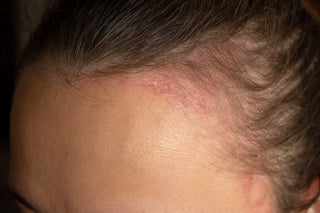
What Does Scalp Psoriasis Look and Feel Like?

Common symptoms include:
- Thick scale
- Itching (How to Stop Psoriasis Itching and Break the Scratch Cycle)
- Redness
- Soreness
- Raised plaques
- Scaling that extends beyond the hairline
- Temporary hair shedding associated with inflammation or scratching
These symptoms can affect more than physical comfort.
Persistent itching can become distracting during daily activities. Visible scale may affect confidence, particularly when flakes collect on dark clothing or appear around the hairline. Soreness may make brushing, styling or washing the hair uncomfortable.
The impact often varies from day to day, which can make it difficult for people to judge whether symptoms are improving or worsening.
Why Many People Mistake Scalp Psoriasis for Dandruff


One reason scalp psoriasis is frequently misunderstood is that both psoriasis and dandruff can cause visible flaking.
A person may initially assume they simply need a stronger anti-dandruff shampoo. When symptoms persist, they may try multiple products without fully understanding why the problem remains unresolved.
The confusion is understandable because flaking alone does not identify the underlying cause. However, scalp psoriasis often involves additional features such as thicker scale, more noticeable inflammation and clearly defined plaques.
Scalp Psoriasis vs Dandruff and Seborrhoeic Dermatitis
|
Condition |
Typical Features |
Key Characteristics |
|
Scalp psoriasis |
Thick scale, inflammation, itching |
Well-defined plaques and thicker scale |
|
Seborrhoeic dermatitis |
Flaking, irritation, greasy scale |
Greasier scale and less sharply defined borders |
|
Dandruff |
Mild flaking and itching |
Usually minimal redness and inflammation |
|
Sebopsoriasis |
Mixed features |
Combination of psoriasis and seborrhoeic dermatitis symptoms |
This distinction matters because treatments commonly used for dandruff are not necessarily intended to address psoriasis itself. Persistent symptoms may therefore warrant professional assessment rather than repeated product changes.
Why Does Scalp Psoriasis Flare Up?
Scalp psoriasis rarely follows a predictable course.
Most people experience periods when symptoms are relatively stable, followed by periods when itching, scaling or inflammation become more noticeable. These periods of worsening symptoms are known as flare-ups.
Common triggers may include:
- Stress
- Illness
- Weather changes
- Treatment interruption
- Individual lifestyle factors (read about how alcohol can be a psoriasis trigger)
One of the most challenging aspects of flare-ups is that triggers are not always obvious. Symptoms can worsen even when routines appear unchanged.
This uncertainty often leads people to question whether treatment is working. In reality, fluctuating symptoms are a recognised feature of chronic inflammatory conditions and do not automatically indicate treatment failure.
Understanding this pattern can help set realistic expectations. Management is often about reducing the frequency, severity or impact of symptoms rather than preventing every flare-up entirely.
How Is Scalp Psoriasis Managed?
Management approaches vary according to symptom severity, individual needs and professional medical advice.
The aim is typically to help control inflammation, manage scale and reduce the impact of symptoms on everyday life.
An important point is that management is rarely based on a single intervention. Different approaches may be used together, and treatment plans often evolve over time.
Scale Management
Scale build-up is one of the most noticeable aspects of scalp psoriasis.
Thick scale can contribute to discomfort, increase visible flaking and make other treatments more difficult to apply effectively.
Management strategies often aim to soften and loosen built-up scale before addressing underlying inflammation.
Coal Tar Shampoos

Coal tar has been used in dermatology for many decades and is commonly used to help manage scaling, itching, inflammation and excessive skin-cell turnover.
Coal tar shampoos may:
- Help reduce scaling and flaking
- Help soften built-up scale
- Help manage itching
- Support symptom control as part of an ongoing management routine
Polytar is a licensed medicated scalp shampoo containing coal tar solution 4% w/w and is licensed in the UK for scalp psoriasis and several other inflammatory scalp conditions.
Coal tar shampoos should be viewed as one recognised management option among several available approaches.
Prescription Treatments
Some people may require prescription therapies recommended by healthcare professionals.
Treatment plans vary according to symptom severity, treatment response and individual circumstances. The most appropriate option can only be determined through professional assessment.
Phototherapy
Phototherapy uses controlled ultraviolet light delivered under medical supervision and is commonly used for certain inflammatory skin conditions, including psoriasis.
Medical phototherapy differs significantly from recreational sunbed use and should not be considered a direct substitute.
Managing Scalp Psoriasis Day-to-Day
For many people, day-to-day management becomes just as important as treatment itself.
Medical appointments are often occasional, but symptoms are experienced daily. This means individuals frequently need practical strategies to manage itching, scale and uncertainty between consultations.
Focus on Consistency Rather Than Constant Change
When symptoms become frustrating, it can be tempting to switch products frequently or abandon routines that do not appear to be producing immediate results.
However, frequent changes can make it difficult to understand what is helping and what is not.
Following agreed treatment plans consistently and monitoring symptom patterns may provide a clearer picture of progress over time.
Learn Your Symptom Pattern
Although flare-up triggers vary between individuals, many people begin to recognise recurring patterns.
Examples may include:
- Symptoms worsening during periods of stress
- Seasonal changes affecting the scalp
- Increased itching before visible scaling develops
- Temporary worsening after treatment interruptions
Identifying patterns does not eliminate flare-ups, but it may help people understand why symptoms fluctuate.
Managing Visible Scale

Visible flakes are often one of the most socially frustrating aspects of scalp psoriasis.
The practical impact can include:
- Frequently brushing flakes from clothing
- Concerns about professional appearance
- Self-consciousness in social settings
- Reluctance to wear darker colours
While scale management does not address every aspect of psoriasis, reducing build-up may improve comfort and help minimise visible shedding from affected areas.
Managing Itching Without Excessive Scratching
Itching is not simply uncomfortable. Repeated scratching can contribute to scalp irritation and temporary hair shedding associated with inflammation or scratching.
Many people find that itching becomes more noticeable during flare-ups, making symptom control more challenging.
Recognising worsening itch as a possible sign of increased disease activity may help individuals respond appropriately and seek advice when necessary.
Understanding Treatment Fatigue
One challenge that receives relatively little attention is treatment fatigue.
Because scalp psoriasis is often a long-term condition, management routines may need to be maintained even during periods when symptoms improve.
People can become discouraged when:
- Symptoms return after improvement
- Progress appears slow
- Flare-ups occur unexpectedly
- Management feels repetitive
Understanding that psoriasis commonly follows cycles of improvement and worsening may help place these experiences in context.
Knowing When Symptoms Have Improved
Improvement is not always measured by complete symptom disappearance.
Signs that management may be helping can include:
- Less itching
- Reduced scale build-up
- Smaller affected areas
- Longer periods between flare-ups
- Improved day-to-day comfort
This broader perspective may help people recognise gradual progress that could otherwise be overlooked.
Long-Term Management and Expectations
Scalp psoriasis is usually characterised by periods of remission and relapse. Remission refers to a period during which symptoms improve significantly or disappear, but it does not mean the condition has necessarily been cured.
This pattern explains why symptom control may sometimes seem inconsistent.
A period of good control does not guarantee that future flare-ups will not occur, and a flare-up does not necessarily mean previous progress has been lost.
Long-term management therefore often focuses on:
- Maintaining scalp health during stable periods
- Responding appropriately to flare-ups
- Following treatment plans consistently
- Monitoring changes over time
- Seeking professional advice when symptoms change significantly
The objective is typically sustainable symptom management rather than a permanent short-term solution.
When to Seek Medical Advice

Professional assessment may be appropriate if:
- Symptoms continue despite treatment
- The diagnosis is uncertain
- Significant discomfort develops
- Hair shedding becomes concerning
- Symptoms interfere with everyday activities
- Flare-ups become increasingly difficult to control
A healthcare professional can help confirm the diagnosis and discuss suitable treatment pathways.
Frequently Asked Questions
Why does my scalp psoriasis keep coming back?
Scalp psoriasis is a chronic inflammatory condition that commonly follows cycles of flare-ups and remission. Symptoms may improve for a period before returning later.
How do I know if it is psoriasis rather than dandruff?
Both conditions can cause flaking, but scalp psoriasis often involves thicker scale, inflammation and clearly defined plaques.
Can scratching cause hair loss?
Temporary hair shedding may occur in association with inflammation or scratching.
Why do symptoms worsen even when I am using treatment?
Fluctuating symptoms are a recognised feature of chronic inflammatory conditions. A flare-up does not automatically indicate treatment failure.
Are coal tar shampoos used for scalp psoriasis?
Yes. Coal tar shampoos are commonly used to help manage scaling, itching and flaking associated with scalp psoriasis and may form part of a broader management approach.
Key Takeaways
- Scalp psoriasis is a chronic inflammatory condition that causes accelerated skin-cell turnover, scaling and inflammation.
- Many people initially mistake scalp psoriasis for dandruff because both can cause visible flakes.
- Flare-ups are a normal feature of the condition and do not automatically indicate treatment failure.
- Visible scale, itching, temporary hair shedding and uncertainty around symptom changes are common challenges.
- Long-term management often focuses on consistency, symptom monitoring and sustainable routines rather than short-term fixes.
- Coal tar shampoos such as Polytar may help manage scaling and itching but represent one option within a broader treatment pathway.