
Quick Answer
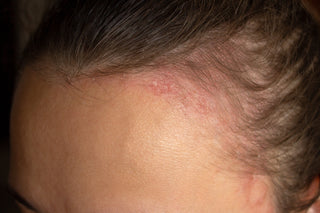
A scalp psoriasis flare-up is a period when symptoms such as itching, redness, soreness and scale become more noticeable after a time of relative improvement. Flare-ups are a recognised feature of this chronic inflammatory skin condition and vary considerably between individuals.
Managing a flare-up usually focuses on reducing irritation, managing scale, supporting the scalp and following an appropriate treatment plan rather than expecting symptoms to disappear immediately. Depending on symptom severity, recognised approaches may include medicated shampoos, coal tar shampoos, prescription treatments and practical self-management strategies. If symptoms become severe, widespread or difficult to control, professional medical advice is recommended.
Introduction
Few aspects of scalp psoriasis are more frustrating than a flare-up.
You may have been managing your symptoms successfully for weeks or months when the itching suddenly becomes more intense. Thick scales may begin building up again, plaques become more noticeable and washing your hair may feel uncomfortable rather than relieving your symptoms.
For many people, the unpredictability is one of the hardest parts of living with scalp psoriasis. It can be difficult to know whether something has triggered the flare-up, whether treatment has stopped working or whether you should simply wait for symptoms to settle.
These concerns are common.
Scalp psoriasis is a chronic inflammatory skin condition that typically follows a pattern of flare-ups and periods of improvement, known as remission. A temporary worsening of symptoms does not necessarily mean you have done something wrong or that your treatment has failed.
Understanding what happens during a flare-up, why symptoms worsen and how recognised management strategies fit together can help make these periods feel less overwhelming.
What Is a Scalp Psoriasis Flare-Up?
A flare-up is a period during which scalp psoriasis symptoms become worse or return after a period of improvement. Flare-ups are a recognised feature of chronic inflammatory conditions and vary considerably between individuals.

During a flare-up, you may notice:
- Increased itching
- Thicker scale
- More visible redness
- Larger or more noticeable plaques
- Increased soreness or tenderness
- More flakes on clothing or around the hairline
- Temporary hair shedding associated with inflammation or scratching
Some flare-ups are relatively mild and settle with ongoing management, while others can become more extensive and require changes to treatment under medical supervision.
Importantly, a flare-up does not mean the condition is progressing permanently. It reflects the recurring nature of scalp psoriasis, which commonly alternates between periods of worsening symptoms and periods of relative stability.
Why Do Flare-Ups Happen?
One of the most common questions people ask is:
"Why has my scalp suddenly become worse?"
Unfortunately, there is not always a clear answer.
Psoriasis is driven by immune-system activity that causes skin cells to reproduce more rapidly than normal. When this process becomes more active, skin cells accumulate faster than they can be shed naturally, leading to increased inflammation, plaque formation and scale build-up.
Although flare-ups are common, the exact reason they occur often differs from one person to another.
Recognised triggers may include:
- Stress
- Illness
- Weather changes
- Interruptions to treatment
- Individual lifestyle factors
Some people also begin to recognise personal patterns over time, such as symptoms becoming worse during particularly stressful periods or after recovering from an illness. Others find that repeated scratching or ongoing irritation can make an active flare-up feel more uncomfortable, even if it is not the original cause.
For many people, however, no obvious trigger can be identified. Flare-ups may occur despite following the same routine and using treatments consistently.
Rather than trying to identify a single cause for every flare-up, it is often more helpful to look for longer-term symptom patterns while recognising that scalp psoriasis remains an unpredictable condition.
What Does a Flare-Up Feel Like?
Although visible plaques often receive the most attention, many people find the physical sensations more difficult than the appearance.
Persistent Itching
Itching often becomes more noticeable during flare-ups and can be difficult to ignore throughout the day.
Some people notice that itching becomes worse during meetings, while trying to sleep or when concentrating at work, making symptoms feel even more disruptive.
Thick Scale
During active inflammation, skin cells build up rapidly, creating thicker layers of scale.
These scales can become trapped in the hair, shed onto clothing or extend beyond the hairline, making them particularly noticeable in social situations.
Tenderness
Inflamed skin may become sore when brushing, styling or washing the hair.
Some people find that even light contact with the scalp becomes uncomfortable during more active flare-ups.
Temporary Hair Shedding
Inflammation and repeated scratching may contribute to temporary hair shedding during a flare-up.
Although this can be worrying, temporary shedding associated with scalp psoriasis does not necessarily mean permanent hair loss. In many cases, the hair follicles themselves are not permanently damaged, and shedding may improve as inflammation settles and scratching becomes less frequent.
If hair shedding is significant, persistent or accompanied by other concerning symptoms, it is appropriate to seek professional medical advice.
Why Trying to "Stop" a Flare-Up Can Be Frustrating
When symptoms suddenly worsen, it is natural to look for something that will make them disappear quickly.
Online advice often reinforces this expectation with headlines promising instant relief or "miracle" solutions. While these claims can be appealing, they rarely reflect how scalp psoriasis is managed in practice.
Because scalp psoriasis is a chronic inflammatory condition, treatment generally focuses on bringing symptoms back under control over time rather than eliminating them immediately.
This is an important distinction.
A treatment may still be working even if symptoms temporarily become more noticeable during a flare-up.
Similarly, a flare-up does not necessarily mean you need to abandon your current routine or assume that your treatment has failed.
Understanding this recurring pattern can help reduce unnecessary frustration and make it easier to judge progress over weeks rather than days.
How Can You Soothe a Scalp Psoriasis Flare-Up?
There is no single approach that works for everyone.
Instead, management usually involves several recognised strategies working together, depending on symptom severity and guidance from a healthcare professional.
The aim is often to improve comfort, reduce irritation and support longer-term symptom control while the flare-up settles.
What Not to Do During a Flare-Up
When symptoms become more noticeable, it is understandable to want to try anything that might bring quick relief. However, some common reactions can make an already irritated scalp feel more uncomfortable or make it harder to judge whether a treatment is helping.
During a flare-up, it may help to avoid:
- Picking or scratching plaques, which may increase irritation and contribute to temporary hair shedding.
- Forcefully removing thick scales rather than allowing them to soften and loosen gradually.
- Frequently changing shampoos or treatments before there has been enough time to assess how they are affecting symptoms.
- Using harsh hair or scalp products that may further irritate inflamed skin.
- Expecting immediate improvement, as recognised treatments often work gradually rather than overnight.
Approaching flare-ups with patience and consistency can make it easier to monitor changes and support longer-term symptom management.

Focus on Reducing Irritation
One of the simplest but most valuable goals during a flare-up is avoiding unnecessary irritation.
When the scalp is inflamed, repeated scratching, aggressive brushing or harsh cleansing can make already sensitive skin feel even more uncomfortable.
Although scratching may provide temporary relief from itching, it can also increase irritation and contribute to temporary hair shedding associated with inflammation or scratching.
Many people find it helpful to treat the scalp gently until symptoms begin to settle.
Manage Scale Safely
Scale is often one of the most visible and frustrating aspects of a flare-up.
It can be tempting to pick plaques away or scrub vigorously in an attempt to remove flakes quickly.
However, scalp psoriasis scale usually develops gradually as skin cells accumulate over time. Thick plaques may be firmly attached to inflamed skin underneath, making forceful removal both difficult and potentially uncomfortable.
Management generally focuses on softening and loosening built-up scale rather than forcing it away.
This approach may:
- Improve comfort
- Reduce visible flaking
- Help topical treatments reach affected skin more effectively
Removing scale may improve symptoms associated with the flare-up, but it does not treat the underlying inflammatory condition itself.
Follow Your Treatment Plan Consistently
A flare-up often leads people to question whether they should change everything.
Should you buy a different shampoo?
Should you stop your current treatment?
Should you try something that someone recommended online?
While treatment plans sometimes need to change, frequent switching can make it difficult to understand what is helping and what is not.
Where possible, following the treatment plan agreed with your healthcare professional consistently may provide a clearer picture of how symptoms are responding over time.
Consistency is often more helpful than constantly searching for a new solution.
Understand Where Medicated Shampoos Fit
Many people assume that all shampoos serve the same purpose.
In reality, medicated shampoos are designed differently from cosmetic shampoos and may contain active ingredients intended to help manage particular scalp conditions.
Coal tar has been used in dermatology for many decades and is commonly used to help manage scaling, itching, inflammation and excessive skin-cell turnover associated with conditions such as scalp psoriasis.
Coal tar shampoos may help:
- Reduce scaling and flaking
- Soften built-up scale
- Help manage itching
- Support symptom control as part of a broader management routine
Polytar is one example of a licensed medicated coal tar shampoo containing coal tar solution 4% w/w. It is licensed in the UK for the treatment and management of scalp psoriasis and several other inflammatory scalp conditions.
Like other coal tar shampoos, it should be viewed as one recognised treatment option within a wider management pathway rather than a standalone solution.

When Prescription Treatments May Be Needed
Self-management strategies can be helpful during mild flare-ups, but they are only one part of scalp psoriasis management.
If inflammation becomes more significant or symptoms remain difficult to control, healthcare professionals may recommend prescription treatments as part of a broader treatment plan.
Topical Steroids
Topical corticosteroids are commonly used to help reduce inflammation during active scalp psoriasis flare-ups.
These medicines are established treatments within psoriasis management and are typically prescribed for defined treatment periods rather than continuous long-term use.
Other Prescription Treatments
Some people may be prescribed non-steroidal topical medicines, while others may use combination treatment plans that include medicated shampoos alongside prescription therapies.
If symptoms remain severe despite topical treatment, referral to a dermatologist may be appropriate. Depending on the extent of psoriasis and previous treatment response, some people may be offered phototherapy, systemic medicines or biologic treatments. These approaches are generally reserved for situations where earlier treatment options have not provided sufficient symptom control.
Understanding where each treatment fits within the overall management pathway can help reduce the impression that treatment has "failed". In many cases, treatment plans evolve as symptoms change over time.
Practical Ways to Manage a Flare-Up Day to Day
Medical treatment is only one aspect of living with scalp psoriasis.
Because flare-ups often develop between healthcare appointments, many people find that practical day-to-day habits make symptoms easier to manage while treatment takes effect.
Be Patient With Progress
One of the greatest sources of frustration is expecting visible improvement after only a few days.
Thick plaques and built-up scale often develop gradually over weeks, so they rarely disappear immediately.
Signs that a flare-up may be settling can include:
- Less itching
- Reduced soreness
- Smaller or thinner plaques
- Less visible scale
- Longer periods of comfort between episodes of itching
Looking for gradual improvement rather than complete clearance may provide a more realistic way to monitor progress.
Avoid Constantly Changing Products
When symptoms worsen, it is understandable to question everything in your routine.
Many people begin trying multiple shampoos, scalp treatments and home remedies within a short period, hoping that one of them will provide immediate relief.
However, changing several products at once can make it difficult to know which products are helping, which are making no difference and which may be irritating the scalp.
Unless advised otherwise by a healthcare professional, introducing changes gradually can make it easier to understand how your scalp is responding.
Learn Your Own Flare-Up Pattern
Although psoriasis behaves differently in everyone, many people begin to notice recurring patterns over time.
For example, you may find that flare-ups are more likely after:
- Particularly stressful periods
- An illness
- Seasonal weather changes
- Interruptions to treatment
- Other personal lifestyle factors
Keeping a simple record of symptoms and possible triggers may help identify patterns, although it is important to remember that flare-ups are not always linked to an obvious cause.
Look After Your Overall Wellbeing
Many people find that flare-ups affect more than just the scalp.
Persistent itching can interfere with concentration, visible scale may affect confidence, and discomfort can make everyday activities such as washing or styling hair feel more difficult.
Supporting your general wellbeing may therefore become an important part of living with scalp psoriasis.
While lifestyle approaches are not considered treatments for psoriasis itself, factors such as stress management, good sleep habits and recognising personal symptom patterns may help some people feel better equipped to cope with flare-ups alongside recognised medical treatments.
When Is Self-Management No Longer Enough?
Many flare-ups can be managed using an agreed treatment plan, but there are times when professional assessment is important.
Consider seeking medical advice if:
- Symptoms become significantly worse despite treatment.
- Itching, soreness or inflammation become difficult to manage.
- Plaques spread rapidly or become much more extensive.
- You are uncertain whether symptoms are caused by psoriasis or another scalp condition.
- You develop symptoms that interfere significantly with daily life.
- Your current treatment no longer appears to provide adequate symptom control.
Seeking advice does not necessarily mean your psoriasis has become severe. It simply allows treatment to be reviewed and adjusted if necessary.
What Should You Expect After a Flare-Up?
One of the biggest misconceptions about psoriasis is that once a flare-up settles, it should never return.
In reality, scalp psoriasis is characterised by cycles of flare-ups and remission. Remission refers to periods during which symptoms improve significantly or may disappear for a time, but it does not mean the condition has been cured.
Over the longer term, management usually aims to:
- Reduce the severity of flare-ups
- Increase the time between flare-ups
- Improve day-to-day comfort
- Manage itching and scaling
- Support consistent symptom control
This perspective can help reduce disappointment if symptoms recur in the future. Success is often measured by better overall control rather than complete and permanent clearance.
Managing Expectations
Living with scalp psoriasis often means accepting that symptoms will not always follow a predictable pattern.
Some flare-ups resolve relatively quickly, while others take longer to settle. You may experience periods when your scalp feels almost normal, followed by unexpected worsening despite maintaining the same routine.
Although this uncertainty can be frustrating, it is also recognised as part of the condition itself.
Rather than searching for an immediate solution each time symptoms return, many people find it more helpful to focus on long-term management, recognising early signs of a flare-up and working with healthcare professionals to adapt treatment when needed.
Understanding this broader picture can make flare-ups feel less alarming and support more realistic expectations over time.
Flare-Up Checklist
When a scalp psoriasis flare-up occurs, these practical steps may help you stay focused on longer-term management:
✓ Continue recognised treatments as directed by your healthcare professional.
✓ Wash your scalp gently using appropriate products that form part of your treatment plan.
✓ Avoid scratching or picking plaques, even if itching becomes more noticeable.
✓ Allow built-up scale to soften and loosen gradually rather than trying to remove it forcefully.
✓ Introduce changes to shampoos or treatments gradually instead of switching multiple products at once.
✓ Monitor symptoms over time rather than expecting overnight improvement.
✓ Seek medical advice if symptoms become significantly worse, become difficult to manage or no longer respond as expected.
Myth vs Fact
|
Myth |
Fact |
|
A flare-up means my treatment has stopped working. |
Symptoms naturally fluctuate, and flare-ups can occur even when treatment remains appropriate. |
|
Scratching plaques helps them heal more quickly. |
Scratching may increase irritation and contribute to temporary hair shedding associated with inflammation or scratching. |
|
Removing all the scale will stop psoriasis. |
Scale management may improve comfort and treatment access, but it does not treat the underlying inflammatory condition. |
|
There is one treatment that works for everyone. |
Management is individual and often combines several recognised approaches depending on symptom severity. |
|
A flare-up means I have done something wrong. |
Flare-ups are a recognised feature of chronic inflammatory conditions and are not always linked to an identifiable trigger. |
Frequently Asked Questions
How long does a scalp psoriasis flare-up last?
There is no set timeframe for a scalp psoriasis flare-up. The duration varies from person to person and depends on factors such as symptom severity, individual response to treatment and the underlying pattern of the condition.
Some flare-ups settle relatively quickly, while others may take longer to improve. Because scalp psoriasis is characterised by cycles of flare-ups and remission, symptoms can fluctuate over time rather than following a predictable course.
Can stress make scalp psoriasis worse?
Stress is one of the most commonly recognised psoriasis triggers.
Current understanding suggests that stress may contribute to flare-ups in some people, although the relationship is complex and responses vary considerably between individuals. Some people notice a clear link between stressful periods and worsening symptoms, while others do not identify stress as a significant trigger.
Should I remove thick scales during a flare-up?
Management generally focuses on softening and loosening built-up scale rather than forcefully removing it.
Picking plaques or aggressively scratching the scalp may increase irritation, soreness and temporary hair shedding. Allowing scale to loosen gradually, alongside recognised treatment approaches, is generally considered a safer way to manage this aspect of a flare-up.
Are coal tar shampoos used during flare-ups?
Coal tar shampoos are commonly used to help manage scaling, itching and flaking associated with scalp psoriasis.
Coal tar has been used in dermatology for many decades and may help soften built-up scale while supporting broader symptom management. They are one recognised treatment option within wider treatment pathways and may be used alongside other treatments where appropriate.
Polytar is one example of a licensed medicated coal tar shampoo used in the treatment and management of scalp psoriasis and other inflammatory scalp conditions. It should be viewed as one recognised option within broader scalp psoriasis management rather than as a standalone solution.
Should I wash my hair during a scalp psoriasis flare-up?
In many cases, gentle hair washing continues to form part of scalp care during a flare-up.
Depending on an individual's treatment plan, healthcare professionals may recommend medicated shampoos, including coal tar shampoos, as one recognised approach to helping manage scaling, itching and flaking associated with scalp psoriasis.
Rather than avoiding washing altogether, the focus is generally on cleansing the scalp gently and following the treatment approach recommended for your individual circumstances. If washing becomes increasingly painful or symptoms worsen significantly, it is appropriate to seek medical advice.
Can scalp psoriasis flare-ups be prevented completely?
Because scalp psoriasis is a chronic inflammatory condition characterised by flare-ups and remission, it is not usually possible to prevent every flare-up completely.
Long-term management generally focuses on reducing the severity and frequency of flare-ups, recognising possible trigger patterns and following an appropriate treatment plan rather than expecting symptoms never to return.
Key Takeaways
- A scalp psoriasis flare-up is a recognised period during which symptoms such as itching, redness, soreness and scale become more noticeable.
- Flare-ups vary considerably between individuals and are not always linked to an identifiable trigger.
- Self-management focuses on reducing irritation, managing scale safely and following recognised treatment plans consistently.
- Coal tar shampoos are one recognised option that may help manage scaling, itching and flaking as part of broader scalp psoriasis treatment pathways.
- Temporary hair shedding during a flare-up does not necessarily mean permanent hair loss and may improve as inflammation settles.
- Long-term management is generally aimed at improving symptom control and reducing the impact of future flare-ups rather than achieving a permanent cure.