
Quick Answer
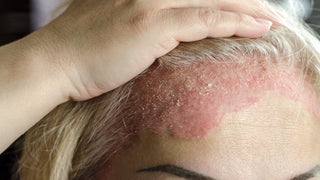
Seborrhoeic dermatitis of the scalp is a common inflammatory skin condition that affects areas rich in oil-producing glands. It typically causes greasy or flaky scales, redness, itching and irritation. Although it is associated with a naturally occurring skin yeast called Malassezia, the condition is more complex than a simple fungal infection. It is thought to develop through the interaction of skin oils, the skin's protective barrier, Malassezia and the body's inflammatory response.

Symptoms often improve and worsen over time, meaning many people experience periods when their scalp is relatively calm followed by flare-ups. Treatment focuses on achieving good long-term symptom control rather than cure and may include antifungal shampoos, medicated shampoos, topical treatments and practical scalp-care measures depending on the severity of symptoms.
Introduction
Many people first notice seborrhoeic dermatitis after seeing flakes on their shoulders or experiencing an itchy scalp that never seems to completely settle.
At first, it is easy to assume the problem is simply dandruff, dry skin or a reaction to a shampoo. Some people spend months trying different products, only to find that the flakes, itching or irritation keep returning. Others become frustrated because symptoms appear to improve for a while before flaring up again without any obvious reason.
This recurring pattern often leads to understandable questions.
Why does my scalp keep doing this?
Am I washing my hair incorrectly?
Why haven't the shampoos I've tried solved the problem?
Understanding seborrhoeic dermatitis begins with recognising that it is not simply a cosmetic concern or a problem of visible flakes. It is a recognised inflammatory skin condition with a characteristic pattern of recurrence. Once you understand why it develops and why symptoms fluctuate, it becomes much easier to understand why healthcare professionals recommend different treatments for different people and why long-term management is usually more realistic than expecting a permanent cure.
Understanding Seborrhoeic Dermatitis
One reason seborrhoeic dermatitis can feel confusing is that it is often explained as though it has a single cause.
Some articles describe it as a fungal infection. Others suggest it is simply inflammation. Many people think of it as nothing more than severe dandruff.
In reality, none of these explanations tells the whole story.
Seborrhoeic dermatitis is best understood as the result of several biological processes interacting with one another. It involves the naturally occurring yeast Malassezia, the oils produced by the skin, the scalp's protective barrier and the body's inflammatory response. These factors influence one another, and no single one completely explains why the condition develops.
This also helps explain why people experience seborrhoeic dermatitis differently. Two people may have similar scalp environments yet develop different symptoms or respond differently to the same treatment. Likewise, symptoms may settle for weeks or months before returning again, even when someone has followed the same scalp-care routine throughout.
Rather than thinking of seborrhoeic dermatitis as simply "dandruff", "a fungal infection" or "inflamed skin", it is more helpful to think of it as a common inflammatory scalp condition that develops through the interaction of several normal biological processes. This understanding forms the basis for how healthcare professionals diagnose and manage the condition.
What Is Seborrhoeic Dermatitis?
Seborrhoeic dermatitis is a common inflammatory skin condition that affects areas of the body with a high concentration of oil-producing (sebaceous) glands.
These areas commonly include the scalp, eyebrows, sides of the nose, ears and chest. When the scalp is affected, people often notice greasy scaling, persistent flaking, redness and itching that tends to improve and recur over time rather than disappearing completely.

Unlike temporary scalp irritation, seborrhoeic dermatitis usually follows a long-term pattern of flare-ups and periods of improvement. This recurring behaviour is one of its defining characteristics and helps distinguish it from short-lived irritation caused by environmental factors or unsuitable hair products.
It is also important to understand what seborrhoeic dermatitis is not.
It is not contagious, meaning it cannot be passed from one person to another.
It is not caused by poor hygiene, and washing the hair more frequently does not prevent the condition from developing.
Although it is associated with Malassezia, it should not simply be thought of as a fungal infection. Instead, researchers believe the symptoms arise because of the body's inflammatory response involving this naturally occurring yeast alongside other biological factors.
Why Does Seborrhoeic Dermatitis Commonly Affect the Scalp?
The scalp provides an environment where several of the processes involved in seborrhoeic dermatitis naturally come together.
It contains large numbers of sebaceous glands, which produce an oily substance called sebum. Sebum is an important part of healthy skin because it helps lubricate and protect the scalp. It also creates an environment in which Malassezia normally lives as part of the skin's natural microbiome.
For most people, this relationship causes no problems.
However, in people who develop seborrhoeic dermatitis, researchers believe the interaction between Malassezia, skin oils, the scalp barrier and the body's inflammatory response contributes to the development of symptoms.
Rather than there being one identifiable cause, seborrhoeic dermatitis is thought to arise because several normal biological processes interact differently in susceptible individuals.
|
Biological factor |
Role in seborrhoeic dermatitis |
|
Malassezia |
A naturally occurring yeast associated with the condition |
|
Sebum |
Creates the oily environment where Malassezia naturally lives |
|
Skin barrier |
Changes may make the scalp more susceptible to irritation |
|
Inflammation |
Contributes to redness, itching and scaling |
Understanding this interaction helps explain why the condition cannot usually be attributed to one single cause and why treatment often targets different aspects of the condition rather than just one.
Why Do Symptoms Fluctuate?
Many people find the unpredictable nature of seborrhoeic dermatitis one of its most frustrating features.
Symptoms often seem to improve, creating the impression that the condition has resolved, only to return again weeks or months later. This can leave people wondering whether their treatment has stopped working or whether they have done something to trigger another flare-up.
In reality, seborrhoeic dermatitis naturally follows a fluctuating course.
Like several other chronic inflammatory skin conditions, it is characterised by periods when symptoms become more noticeable and periods when the scalp is relatively settled. Sometimes these changes appear to coincide with factors such as stress, seasonal changes, illness or alterations to scalp-care routines. At other times, symptoms seem to worsen without any obvious explanation.
This unpredictability does not necessarily mean that treatment has failed. Instead, it reflects the complex biology of the condition itself.
Understanding this recurring pattern can help set realistic expectations. The aim of management is usually to reduce symptoms, increase periods of good control and make flare-ups easier to manage rather than prevent every recurrence completely.
What Does Seborrhoeic Dermatitis Look and Feel Like?
Seborrhoeic dermatitis can vary considerably from one person to another.
Some people experience relatively mild flaking that resembles persistent dandruff, while others develop more obvious redness, irritation and areas of greasy scale. Symptoms may affect only a small part of the scalp or become more widespread during active flare-ups.
The flakes themselves are often white or yellow and may appear greasy rather than dry. Hair can trap these scales, making them more noticeable and giving the impression that the scalp is continuously shedding skin.
Itching is another common symptom, although its severity varies considerably. For some people it is only mildly irritating, while others find it becomes particularly noticeable during flare-ups or after scratching. As inflammation increases, the scalp may feel sore, sensitive or uncomfortable, particularly beneath areas of built-up scale.
Because symptoms change over time, many people describe periods when the scalp feels almost normal followed by episodes in which flaking, itching and irritation become much more obvious.
Why Does Seborrhoeic Dermatitis Cause Flakes?
Healthy skin is constantly renewing itself.
As new skin cells are produced, older cells are naturally shed from the surface. This process usually happens without us noticing.
In seborrhoeic dermatitis, inflammation disrupts this normal cycle.
Skin cells accumulate more quickly than they are shed, forming the greasy scales and visible flakes that many people associate with the condition. Hair can trap these scales, making them appear more persistent than scaling elsewhere on the body.
This distinction is important because the flakes are not the condition itself. They are a visible result of the inflammatory processes occurring within the skin.
Understanding this helps explain why simply removing visible flakes does not address the underlying condition and why recognised treatments focus on controlling the processes that produce them.
Why Is Seborrhoeic Dermatitis Often Confused With Dandruff and Psoriasis?
Visible flakes, itching and irritation are not unique to seborrhoeic dermatitis, which is why many people initially assume they have dandruff or, in some cases, scalp psoriasis.
Dandruff is generally considered a milder form of seborrhoeic dermatitis and shares many of the same biological features, including an association with Malassezia. However, dandruff usually causes less inflammation and redness, and symptoms tend to be milder overall.
Scalp psoriasis can also cause itching and scaling, but the scale is often thicker, drier and more silvery in appearance. Well-defined plaques and scaling that extends beyond the hairline are more typical of psoriasis than seborrhoeic dermatitis. Some people develop sebopsoriasis, an overlap condition with features of both disorders, which can make diagnosis more challenging.
Seborrhoeic Dermatitis Compared with Other Common Scalp Conditions
|
Feature |
Seborrhoeic Dermatitis |
Dandruff |
Scalp Psoriasis |
|
Scale |
Greasy white or yellow |
Fine white flakes |
Thick silvery scale |
|
Redness |
Common |
Usually mild |
Often more pronounced |
|
Inflammation |
Moderate |
Mild |
Often marked |
|
Plaques |
Usually absent |
No |
Common |
|
Hairline involvement |
Less common |
No |
May extend beyond the hairline |
|
Long-term pattern |
Recurring flare-ups |
Usually milder recurrence |
Chronic flare-ups with plaques |
Importantly, no single symptom confirms any of these conditions. Healthcare professionals assess the overall pattern of symptoms, their appearance, distribution and history before reaching a diagnosis.
How Is Seborrhoeic Dermatitis Diagnosed?
One of the challenges of diagnosing seborrhoeic dermatitis is that its symptoms overlap with several other scalp conditions. An itchy, flaky scalp does not automatically point to one diagnosis, and similar-looking flakes can develop for different biological reasons.
For this reason, healthcare professionals do not usually diagnose seborrhoeic dermatitis by looking at a single symptom in isolation. Instead, they build an overall picture by considering where the symptoms occur, the appearance of the scale, the degree of redness and inflammation, how long the symptoms have been present and whether they have followed a pattern of improving and recurring over time.
They may also ask about previous treatments and whether any have changed the pattern of symptoms. This information can help distinguish seborrhoeic dermatitis from other conditions such as scalp psoriasis, eczema affecting the scalp or persistent dandruff.
Diagnosis is therefore based on the overall clinical picture rather than appearance alone. This is an important reason why treatment should follow an appropriate diagnosis rather than simply the presence of flakes.
How Is Seborrhoeic Dermatitis Managed?
For many people, treatment can seem confusing.
One website recommends an antifungal shampoo, another suggests a medicated shampoo containing coal tar, while others discuss prescription creams or steroid treatments. At first glance, these recommendations can appear contradictory.
In reality, they reflect the fact that seborrhoeic dermatitis is a complex condition rather than one with a single cause.
Why Different Treatments Are Used
Understanding why different treatments exist begins with understanding the biology of seborrhoeic dermatitis.
As discussed earlier in this guide, the condition develops through the interaction of several processes, including Malassezia, skin oils, the scalp's protective barrier and inflammation. Because these factors all contribute to symptoms, recognised treatments are designed to address different aspects of the condition rather than solving everything in the same way.
Some treatments aim to reduce the role of Malassezia where it is contributing to symptoms. Others help manage inflammation, while some are used to reduce scaling, soften built-up flakes or improve comfort by relieving itching and irritation.
Healthcare professionals therefore choose treatments according to the overall pattern and severity of symptoms rather than automatically recommending the same product for everyone. Depending on the individual, treatment may involve one recognised approach or a combination of therapies used together as part of a broader management plan.
Understanding this helps explain why there is no single "best" treatment for seborrhoeic dermatitis. The most appropriate option depends on the individual and the way the condition is affecting their scalp at that particular time.
Antifungal Shampoos
Because Malassezia is strongly associated with seborrhoeic dermatitis, antifungal shampoos often form an important part of recognised treatment pathways.
Ingredients such as ketoconazole are commonly used to reduce the amount of Malassezia on the scalp. For many people, this can help manage symptoms when the yeast is contributing to inflammation. Ketoconazole is commonly used in the management of dandruff and seborrhoeic dermatitis, although it is not considered a primary treatment for psoriasis itself.
Treatment schedules vary depending on the severity of symptoms and the advice of a healthcare professional. Some people use antifungal shampoos more frequently during flare-ups before reducing their use as symptoms come under control.
Coal Tar Shampoos
Coal tar has been used in dermatology for many decades and remains one recognised option for managing several inflammatory, scaling scalp conditions.
Rather than targeting Malassezia, coal tar shampoos are commonly used to help manage symptoms such as scaling, flaking, itching and inflammation. By helping to soften and loosen built-up scale, they may also improve comfort and make the scalp easier to manage.
Within seborrhoeic dermatitis management, coal tar shampoos are generally considered alongside other recognised treatments rather than as a standalone solution. The most appropriate choice depends on the individual's symptoms and overall treatment plan.
Polytar is one licensed coal tar shampoo that may be used where appropriate as part of recognised management pathways for seborrhoeic dermatitis. It should be viewed as one treatment option within broader scalp care rather than as the primary treatment or a cure.
Prescription Topical Treatments
Some people experience more significant inflammation than can be managed with medicated shampoos alone.
Where symptoms are more severe or widespread, a healthcare professional may recommend prescription topical treatments designed to reduce inflammation and improve symptom control.
The choice of treatment depends on several factors, including the severity of symptoms, the areas affected and an individual's response to previous treatments. Some people require these treatments only during flare-ups, while others may need longer-term management plans.
Practical Scalp Care
Although scalp-care routines cannot cure seborrhoeic dermatitis, they can support overall symptom management.
Many healthcare professionals encourage people to:
- use treatments as directed
- avoid repeatedly changing shampoos without a clear reason
- avoid excessive scratching, which can worsen irritation
- recognise flare-ups early so that management can begin promptly
Consistency is often more helpful than continually searching for a new product each time symptoms recur.
When Should You Seek Medical Advice?
Many cases of seborrhoeic dermatitis can be managed successfully, but medical advice is recommended if:
- symptoms are severe or worsening
- the scalp becomes painful or develops signs of infection
- symptoms continue despite appropriate treatment
- the diagnosis is uncertain
- symptoms spread beyond the scalp
- significant or persistent hair loss develops
Seeking advice is particularly important if symptoms appear unusual or if another scalp condition may also be contributing.
Can Seborrhoeic Dermatitis Cause Hair Loss?
Hair loss is not usually considered a defining feature of seborrhoeic dermatitis.
However, persistent inflammation, repeated scratching and irritation may contribute to temporary hair shedding in some people. This type of shedding is generally related to the inflamed scalp environment rather than permanent damage to the hair follicles.
Because many different conditions can affect hair growth, ongoing or significant hair loss should always be assessed by a healthcare professional to determine whether another cause may also be present.
For a more detailed discussion, see Can Seborrhoeic Dermatitis Cause Hair Loss?
Can Seborrhoeic Dermatitis Be Cured?
Seborrhoeic dermatitis is generally regarded as a chronic condition that follows a recurring pattern of flare-ups and periods of improvement. While recognised treatments can often achieve good symptom control, symptoms may return over time.
For this reason, management usually focuses on maintaining control, reducing flare-ups and improving quality of life rather than permanently eliminating the condition.
This topic is explored further in Can Seborrhoeic Dermatitis Be Cured?
Long-Term Outlook
Although seborrhoeic dermatitis can be frustrating, it is important to remember that it is also very common.
Many people experience years in which symptoms vary from mild to more noticeable before settling again. Others find that once they understand the condition and establish an appropriate management routine, flare-ups become easier to recognise and manage.
The recurring nature of seborrhoeic dermatitis does not mean treatment has failed. Instead, it reflects the long-term behaviour of the condition itself.
Learning to recognise this pattern often helps reduce unnecessary anxiety and encourages more realistic expectations about long-term management.
Conclusion
Seborrhoeic dermatitis is one of the most common inflammatory conditions affecting the scalp, yet it is also one of the most frequently misunderstood. Because its symptoms overlap with dandruff, scalp psoriasis and other scalp conditions, many people spend months trying different products before understanding what is actually causing their symptoms.
Learning how the condition develops can make that uncertainty much easier to manage. Rather than being caused by poor hygiene or a single infectious organism, seborrhoeic dermatitis reflects a complex interaction between naturally occurring skin yeast, the scalp's oils, the skin barrier and the body's inflammatory response. This also explains why symptoms fluctuate and why healthcare professionals use different treatments to manage different aspects of the condition.
Although seborrhoeic dermatitis often follows a recurring pattern, many people achieve good long-term symptom control with an appropriate management plan. The goal is not to eliminate every flare-up, but to understand the condition, recognise changes in symptoms and use recognised treatments when they are needed. With realistic expectations and the right support, most people are able to manage seborrhoeic dermatitis successfully over time.
Myth vs Fact
|
Myth |
Fact |
|
Seborrhoeic dermatitis is caused by poor hygiene. |
No. It is an inflammatory skin condition and is not caused by being unclean. |
|
It is contagious. |
No. It cannot be passed from one person to another. |
|
Malassezia is the only cause. |
Malassezia is associated with the condition, but skin oils, the skin barrier and inflammation also play important roles. |
|
Once symptoms improve, the condition has gone away permanently. |
Seborrhoeic dermatitis commonly follows a recurring pattern of flare-ups and periods of improvement. |
|
All flaky scalps are seborrhoeic dermatitis. |
No. Dandruff, scalp psoriasis, eczema and dry scalp can all produce similar symptoms. |
Frequently Asked Questions
Is seborrhoeic dermatitis the same as dandruff?
Not exactly. Dandruff is often regarded as a milder form of seborrhoeic dermatitis and generally causes less inflammation and irritation.
Is seborrhoeic dermatitis contagious?
No. It cannot be passed from one person to another.
Is it caused by poor hygiene?
No. Seborrhoeic dermatitis is not caused by inadequate washing or poor personal hygiene.
Why do my symptoms keep coming back?
Seborrhoeic dermatitis is a chronic inflammatory condition that naturally follows a pattern of flare-ups and periods of improvement.
Is there a permanent cure?
Current recognised management focuses on achieving good long-term symptom control rather than permanently curing the condition.
Key Takeaways
- Seborrhoeic dermatitis is a common inflammatory condition affecting the scalp and other oil-rich areas of the body.
- It develops through the interaction of several biological processes, including Malassezia, skin oils, the skin barrier and the body's inflammatory response.
- It is not contagious and is not caused by poor hygiene.
- Symptoms commonly include greasy scaling, flaking, itching, redness and irritation.
- Symptoms naturally improve and recur over time.
- Diagnosis is based on the overall clinical picture rather than any single symptom.
- Different recognised treatments exist because they address different aspects of the condition.
- Antifungal shampoos, coal tar shampoos, prescription treatments and practical scalp care may all play a role in long-term management depending on the individual.
- The aim of treatment is to maintain good long-term symptom control rather than achieve perfection or a permanent cure.