Scalp psoriasis is a chronic skin condition that affects millions of people in the UK, yet it’s still widely misunderstood. Often mistaken for dandruff or a dry scalp, it can be uncomfortable, persistent, and emotionally draining, especially when flakes are visible or itching becomes constant.
Ruth Collis, a trichologist (hair and scalp expert), breaks down psoriasis, some triggers to be aware of, and how Polytar can help.

What is scalp psoriasis?
Scalp psoriasis is an autoimmune condition that causes skin cells to regenerate far too quickly. Instead of shedding naturally, cells build up on the scalp, forming thick, scaly patches that can be itchy, sore, and inflamed.
It can appear as:
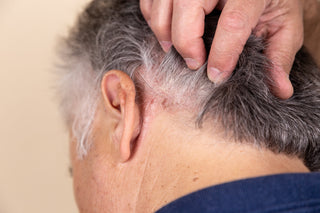
• Fine white flaking that looks similar to dandruff
• Thick, silvery scales that extend beyond the hairline
• Red, irritated patches that feel tight or painful
For many people, scalp psoriasis is long-term and comes in cycles, with flare-ups followed by calmer periods.
Why does scalp psoriasis flare up?
Triggers vary from person to person, but common factors include cold weather, stress and fatigue, alcohol consumption, hormonal changes, and infections or illness.
Winter is a particularly difficult time for people with scalp psoriasis. Reduced sunlight can affect vitamin D levels, and central heating can dry the skin further, increasing irritation and flaking. Ruth said:
Psoriasis is a chronic, immune-mediated inflammatory condition, and winter often creates a pro-inflammatory environment. Reduced ultraviolet exposure, lower humidity, and increased time in centrally heated spaces can disrupt the skin barrier and heighten inflammatory activity.
While many people notice their symptoms improve during the summer months due to the immunomodulating effects of natural sunlight, it’s important not to step away from treatment when the scalp appears calmer. Psoriasis is a relapsing condition that can still be triggered by stress, viral illness and immune changes, so maintaining a consistent routine year-round is key to keeping symptoms controlled rather than reacting once a flare has already begun.
Stress is another big trigger for Psoriasis. Ruth explains why this is:
There is a close relationship between the nervous system and the immune system, so periods of sustained psychological stress can dysregulate inflammatory pathways, signalling the immune system to become more reactive and increasing the likelihood of a flare.
What makes this particularly challenging is that psoriasis itself can also be a source of emotional distress, creating a cycle where stress worsens symptoms and symptoms heighten stress.
Why it’s more than just a scalp issue
Scalp psoriasis doesn’t just affect the skin. Many people change how they wear their hair, avoid dark clothing, or feel anxious in social and professional settings because flakes are so visible.
This emotional impact is often overlooked, which is why having an effective, manageable routine is so important.
How medicated shampoos can help
Scalp psoriasis is driven by inflammation and excess skin cell turnover, so standard cosmetic shampoos are rarely enough to manage symptoms.
Medicated shampoos are designed to reduce scaling and flaking, soothe itching and irritation, and help remove built-up plaques on the scalp. Consistency is key. These treatments work best when used regularly and as part of a wider scalp-care routine.
Using Polytar as part of a routine
Polytar is a coal tar–based medicated shampoo that has been used for decades to help manage scalp psoriasis and other dry, itchy scalp conditions. Ruth says:
Effective scalp psoriasis management relies on consistency rather than short-term intervention. I always advise patients to follow a structured routine that supports the scalp barrier, reduces inflammation, and gently removes excess scale without causing further irritation. Even during quieter periods, proactive care can significantly reduce both the frequency and severity of flare-ups.
Coal tar formulations remain one of the most established and evidence-based treatments for scalp psoriasis. By helping to slow excessive skin cell production while reducing inflammation, itching, and scaling, medicated shampoos such as Polytar can play an important role within a long-term management strategy, supporting a healthier scalp environment and improving overall comfort and confidence.
I encourage people to think about psoriasis management more holistically, supporting not only the scalp and skin barrier but also prioritising nervous system regulation, sleep quality, and overall wellbeing to help maintain longer-term control of the condition.
There’s no cure for psoriasis, but many people successfully manage symptoms by identifying and avoiding personal triggers, adapting routines seasonally, and using medicated treatments consistently rather than reactively.
If you’re struggling with Psoriasis, try adding Polytar to your routine. It can be used on your scalp once a week along with other products in your routine.