
Quick Answer
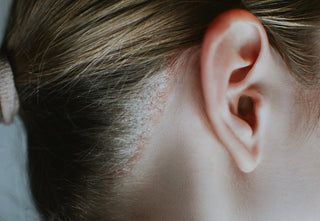
Scalp psoriasis commonly appears as well-defined patches of inflamed skin covered with thick white or silvery scale. Many people also notice itching, persistent flaking and areas of skin that feel thicker than the surrounding scalp.
However, there is no single "typical" appearance. The colour of affected skin, the amount of scaling and the size of plaques can vary considerably depending on factors such as skin tone, the severity of inflammation, the stage of a flare-up, hair density and any treatments being used.
Because many other scalp conditions can produce similar symptoms, appearance alone cannot confirm whether someone has scalp psoriasis. Healthcare professionals consider the overall pattern of symptoms, medical history and clinical examination before making a diagnosis.
Introduction
Many people first search "What does scalp psoriasis look like?" after noticing something that doesn't seem quite right.
Perhaps you've spotted flakes on your shoulders that keep returning despite using anti-dandruff shampoo. Maybe you've parted your hair and found patches that look red, irritated or unusually thick. Some people become concerned after noticing areas that seem dry and scaly, while others worry because photographs online don't resemble what they are seeing in the mirror.
This uncertainty is understandable.
Although scalp psoriasis has several recognised features, it does not look identical in every person. Two people with the same condition may have noticeably different symptoms, and even the same individual may find that their scalp looks different from one flare-up to the next.
Understanding these variations can make it easier to recognise why scalp psoriasis is sometimes confused with dandruff, seborrhoeic dermatitis and other inflammatory scalp conditions. Just as importantly, it helps explain why healthcare professionals look beyond appearance alone when assessing symptoms.
Why Doesn't Scalp Psoriasis Always Look the Same?
One of the biggest misconceptions about scalp psoriasis is that everyone develops identical red plaques covered with thick silver scales.
In reality, scalp psoriasis exists on a spectrum.
Some people develop only a few small patches hidden beneath their hair, while others experience widespread plaques affecting much of the scalp. The colour of inflamed skin can vary considerably between lighter and darker skin tones, and symptoms often change as inflammation increases or settles.
Several factors influence how scalp psoriasis appears, including:
- how active the inflammation is
- whether the condition is currently flaring
- the amount of scale that has accumulated
- skin tone
- hair thickness and density
- where on the scalp plaques develop
- whether treatment has reduced inflammation or loosened scale
This is one reason why online image searches can sometimes create unnecessary confusion. Many published photographs show more severe or textbook examples, while milder or less typical presentations are under-represented.
Rather than expecting your symptoms to match a photograph exactly, it is more helpful to understand the range of features that commonly occur.
Early Signs of Scalp Psoriasis
Scalp psoriasis does not always begin with large, thick plaques.
For many people, symptoms develop gradually over days or weeks.
The earliest changes may seem surprisingly subtle and are often mistaken for a dry scalp or dandruff.

You might notice:
- persistent itching that keeps returning
- small areas of redness or irritation
- fine white flakes appearing after brushing your hair
- patches that feel dry or tight
- mild soreness when touching the scalp
- irritation around the hairline
- flaking that does not improve with ordinary shampoo
Some people notice only one or two small areas at first, particularly behind the ears or around the front hairline. Others describe the feeling that one part of the scalp seems unusually sensitive before visible scaling becomes obvious.
As inflammation continues, these small areas may gradually become thicker, more defined and more noticeable.
The process is usually gradual rather than sudden, although flare-ups can make symptoms appear to worsen more quickly.
Typical Visual Features
Although scalp psoriasis varies considerably, there are several features that healthcare professionals commonly associate with the condition.
Many people describe noticing patches that appear different from the surrounding scalp rather than loose flakes scattered randomly through the hair.

Common features include:
- clearly defined patches or plaques
- thick white or silvery scale
- inflamed skin beneath the scale
- dry-looking flakes
- areas that feel raised or thicker when touched
- cracks in the skin if plaques become particularly dry
- plaques ranging from small isolated patches to larger connected areas
One practical way people often describe the condition is when parting their hair. Instead of seeing a smooth, even scalp, they may notice clearly outlined patches where the skin looks thicker or uneven than the surrounding area. The scale often appears attached to the skin rather than as loose flakes sitting on the hair, and gently separating the hair may reveal inflamed skin beneath the built-up scale.
Some plaques remain relatively flat, while others become noticeably raised because layers of skin cells have accumulated over time.
It is also common for symptoms to vary across different parts of the scalp. One area may have only light scaling, while another has much thicker plaques.
These differences reflect the fluctuating nature of this chronic inflammatory condition rather than indicating different diseases.
People are often tempted to pick or peel away thick scale to see the skin underneath. However, forcefully removing scale may irritate the scalp, increase soreness or lead to bleeding. If scale build-up is becoming difficult to manage, recognised approaches aim to soften and loosen it gently rather than remove it aggressively. Our guide on how to remove psoriasis scales from the scalp safely and effectively explains this in more detail.
What Does Scalp Psoriasis Feel Like?
Many people notice the feel of their scalp before they clearly see the plaques. Running fingertips gently across the scalp may reveal raised areas that feel rougher, thicker or drier than the surrounding skin.

Depending on the stage of the condition, affected areas may feel:
- raised
- rough
- dry
- tight
- itchy
- tender
- sore after scratching
Some people describe becoming aware of these changes while washing or brushing their hair, before they notice obvious differences in appearance. As with the visual signs, these sensations can vary over time and may become more noticeable during flare-ups.
What Colour Is Scalp Psoriasis?
Colour is one of the questions people ask most frequently, yet it is also one of the most misunderstood aspects of scalp psoriasis.
There is no single colour that confirms psoriasis.
Instead, the appearance depends largely on the individual's natural skin tone and the degree of inflammation.
On lighter skin
Affected areas commonly appear:
- pink
- red
- salmon-coloured
The redness often becomes easier to see after some of the scale has been gently removed or softened.
On darker skin
Inflamed plaques may appear:
- violet
- purple
- grey
- brown
- darker than the surrounding skin
The colour and visibility of plaques can also change during a flare-up. As inflammation becomes more active, affected areas may appear more noticeable, before gradually fading or becoming less prominent as inflammation settles or treatment begins to work.
In some people, inflammation is less obviously red than photographs commonly found online might suggest.
This matters because many online image galleries disproportionately feature lighter skin tones. Someone with darker skin may incorrectly assume they cannot have psoriasis because their plaques do not resemble those images.
Healthcare professionals understand these differences and consider skin tone alongside many other clinical features during assessment.
For this reason, photographs should be viewed as examples rather than diagnostic references.
Where Does Scalp Psoriasis Usually Appear?
Although scalp psoriasis can affect almost any part of the scalp, certain areas are more commonly involved than others.
Many people first notice symptoms around the hairline, where scaling may extend slightly beyond the edge of the hair onto the forehead, neck or around the ears. Because the hairline is more visible than much of the scalp, it is often the first place where people become aware of changes, even though scalp psoriasis does not necessarily begin there.
Other commonly affected areas include:
- the front hairline
- behind the ears
- the back of the scalp near the neck
- the crown of the head
- scattered patches across the scalp
- much of the scalp in more extensive cases
Some people develop only one persistent plaque in the same location, while others notice several separate patches that gradually join together during active flare-ups.
Hair can also make scalp psoriasis more difficult to recognise. Thick or curly hair may conceal plaques until itching or scaling becomes more noticeable, while people with shorter or finer hair may spot changes sooner because more of the scalp is visible.
The location of plaques may also influence symptoms. For example, plaques around the ears may become irritated by glasses, while those along the hairline can be particularly noticeable because they are more visible to other people.
What Does Mild vs Severe Scalp Psoriasis Look Like?
One reason scalp psoriasis can be difficult to recognise is that severity varies enormously.
Some people have relatively mild symptoms that remain confined to a few small areas. Others experience widespread inflammation and thicker plaques that affect much larger parts of the scalp.
Mild scalp psoriasis
Mild symptoms may include:
- one or two isolated patches
- fine to moderate scaling
- occasional itching
- limited redness or discolouration
- plaques hidden beneath the hair
- symptoms that come and go
Someone with mild scalp psoriasis may simply notice that one area repeatedly flakes despite trying different shampoos.

More extensive scalp psoriasis
More severe disease may involve:
- larger areas of the scalp
- thicker layers of scale
- more noticeable inflammation
- persistent itching
- soreness or tenderness
- plaques joining together across wider areas
- scaling extending beyond the hairline

However, appearance alone does not determine severity.
For example, a relatively small plaque located at the front hairline may cause considerable emotional distress because it is highly visible, while someone with more extensive plaques hidden beneath thick hair may find them less socially noticeable.
Healthcare professionals therefore consider several factors when assessing severity, including symptoms, the impact on everyday life, response to treatment and the extent of skin involvement, rather than relying on appearance alone.
Can It Look Like Dandruff?
Yes. In fact, this is one of the most common reasons scalp psoriasis is overlooked during its early stages.
Both scalp psoriasis and dandruff can cause:
- visible flakes
- itching
- irritation
- recurring scaling
However, scalp psoriasis often produces well-defined plaques covered with thicker, drier scale, while dandruff usually causes finer white or yellow flakes that may appear greasy and are typically associated with less inflammation.
The difficulty is that these differences are not always obvious, particularly when symptoms are mild.
Some people may also have sebopsoriasis, an overlap condition with features of both psoriasis and seborrhoeic dermatitis, making recognition even more challenging.
If you would like a more detailed comparison, see our dedicated guide:
Scalp Psoriasis vs Dandruff: How to Tell the Difference.
Can Scalp Psoriasis Cause Hair Loss?
Seeing more hair than usual on your hairbrush or in the shower can be alarming, and many people worry that scalp psoriasis is causing permanent baldness.
Fortunately, this is uncommon.
During active flare-ups, some people experience temporary hair shedding. This is thought to be related to factors such as inflammation, persistent scratching, irritation and thick scale rather than permanent damage to the hair follicles themselves.
Hair may also break more easily if plaques are repeatedly scratched or picked.
In many cases, hair begins to recover once inflammation is better controlled and the scalp has had an opportunity to heal.
If you notice ongoing or significant hair loss, it is important to seek medical advice, as another condition may also be contributing.
For a more detailed explanation, see our guide:
Can Scalp Psoriasis Cause Hair Loss? What's Temporary, What's Not, and What May Help.
When Should You Seek Medical Advice?
Because many scalp conditions look similar, it is sensible to seek professional advice if you are unsure what is causing persistent symptoms.
Consider speaking to a healthcare professional if you have:
- scaling that does not improve with over-the-counter treatments
- persistent or worsening itching
- bleeding caused by scratching or cracked plaques
- soreness that interferes with daily life
- widespread plaques across the scalp
- symptoms extending beyond the scalp
- uncertainty about whether your symptoms are psoriasis or another condition
Obtaining an accurate diagnosis is important because dandruff, seborrhoeic dermatitis, eczema and scalp psoriasis have different underlying causes and may require different treatment approaches.
Rather than relying on photographs or symptom checklists, healthcare professionals assess the overall pattern of symptoms alongside your medical history and examination findings.
Recognised Treatment Options
If scalp psoriasis is diagnosed, treatment is tailored to the individual and depends on factors such as symptom severity, the amount of scaling and previous response to treatment.
Recognised treatment pathways may include:
- medicated shampoos
- topical corticosteroids
- vitamin D analogue preparations
- treatments that soften and loosen scale
- phototherapy for selected individuals
- systemic medicines or biologic therapies for more severe psoriasis
Because thick scale can make it harder for topical treatments to reach the affected skin, managing scale is often an important part of treatment.
Coal tar has been used in dermatology for many years and is one recognised option for helping to manage scaling, itching and excessive skin-cell turnover associated with inflammatory scalp conditions. Coal tar shampoos are often used alongside other recognised treatments rather than instead of them.
Polytar is one licensed coal tar shampoo that may be used within recognised scalp psoriasis treatment pathways where scaling and flaking are present. Some people, particularly those with more severe disease, may also require prescription treatments recommended by a healthcare professional.
Living With Visible Symptoms
For many people, the emotional impact of scalp psoriasis can be just as challenging as the physical symptoms.
Visible flakes, itching and plaques can affect confidence in ways that are not always obvious to others.
Many people describe:
- checking their shoulders throughout the day for flakes
- avoiding dark-coloured clothing because scaling shows more clearly
- worrying that other people think the condition is contagious
- changing hairstyles to hide affected areas
- feeling uncomfortable when someone stands close behind them
- feeling anxious before haircuts because they are concerned about comments from hairdressers
- avoiding scratching in public despite intense itching
These experiences are common, and they do not necessarily reflect how severe the condition is medically.
It is also worth remembering that scalp psoriasis is not contagious. It cannot be passed from one person to another through touch, shared hairbrushes or close contact.
If visible symptoms begin affecting your confidence, work, relationships or emotional wellbeing, discussing this with a healthcare professional is just as important as talking about the physical symptoms. The impact of scalp psoriasis extends beyond the skin, and support should take both physical and emotional wellbeing into account.
Myth vs Fact
|
Myth |
Fact |
|
Scalp psoriasis always looks bright red. |
The appearance varies considerably. On lighter skin it may appear pink, red or salmon-coloured, while on darker skin it may appear violet, purple, brown, grey or darker than the surrounding skin. |
|
Everyone with scalp psoriasis develops thick plaques. |
Some people have only small, isolated patches with relatively fine scaling, particularly during the early stages or between flare-ups. |
|
If your scalp flakes, it must be dandruff. |
Flaking can occur with several scalp conditions, including scalp psoriasis, seborrhoeic dermatitis, eczema and dry scalp. The underlying cause determines the most appropriate treatment. |
|
You can diagnose scalp psoriasis from photographs online. |
Photographs show only individual examples. Healthcare professionals consider the full pattern of symptoms, medical history and clinical examination before confirming a diagnosis. |
|
Hair loss means the hair follicles have been permanently damaged. |
Temporary hair shedding can occur during active scalp psoriasis, often because of inflammation, scratching or irritation. Permanent hair loss is uncommon. |
Frequently Asked Questions
Can scalp psoriasis appear suddenly?
Some people notice symptoms becoming more obvious over a relatively short period, particularly during a flare-up. However, many cases develop gradually, beginning with mild itching, fine scaling or small patches before becoming more noticeable over time.
Does scalp psoriasis always itch?
No.
Itching is one of the most common symptoms, but not everyone experiences it to the same degree. Some people describe only mild irritation, while others find itching one of the most troublesome aspects of the condition.
Can scalp psoriasis appear without thick scale?
Yes.
Especially in its earlier stages or when symptoms are well controlled, plaques may have relatively little visible scale. The appearance can also change during different stages of a flare-up or after treatment.
Can scalp psoriasis appear in only one place?
Yes.
Some people develop a single persistent plaque, often around the hairline, behind the ears or at the back of the scalp. Others experience several separate patches or more widespread involvement across the scalp. The number and location of plaques can also change over time, particularly during flare-ups.
Can scalp psoriasis spread beyond the scalp?
It can.
Scalp psoriasis often extends slightly beyond the hairline onto the forehead, the back of the neck or around the ears. Psoriasis may also affect other parts of the body, such as the elbows, knees or lower back, although this varies between individuals.
Does scalp psoriasis always bleed?
No.
Bleeding is not a defining feature of scalp psoriasis. However, skin may crack or bleed if plaques become very dry or if persistent scratching damages the skin.
Can mild scalp psoriasis be difficult to recognise?
Yes.
Mild scalp psoriasis is frequently mistaken for dandruff, dry scalp or irritation because the symptoms may be subtle. This is one reason why diagnosis should not be based on appearance alone.
Key Takeaways
- Scalp psoriasis most commonly causes well-defined patches covered with thick white or silvery scale, but appearance varies considerably from person to person.
- Symptoms may include itching, redness or skin discolouration, persistent flaking, plaques and areas of thickened skin.
- The colour of plaques depends partly on skin tone, meaning psoriasis does not always appear bright red.
- Early scalp psoriasis may resemble dandruff or a dry scalp, making diagnosis more challenging.
- Flare-ups, treatment, hair density and the amount of inflammation can all influence how the condition looks over time.
- Appearance alone cannot confirm whether someone has scalp psoriasis. Healthcare professionals consider the wider clinical picture before making a diagnosis.
- A range of recognised treatments is available, with management tailored to symptom severity and individual needs. Coal tar shampoos, including licensed products such as Polytar, represent one recognised option within broader treatment pathways where scaling and flaking are present.